Native animals are increasingly on the menu, but will Australians have the appetite to wear them?


Tassie brand Wuggs is taking on US giant Ugg with wallaby boots. Photo: Wuggs
From kangaroo and wallaby to crocodile and emu, Australians are increasingly eating native animals, but will they have the appetite to wear them?
John Kelly from Tasmania’s Lenah Game Meats is hoping so.
Mr Kelly is taking on household name Ugg, with boots made from wallaby fur named ‘Wuggs’ – and has trademarked the name so the American-owned behemoth can’t come after them.
But he wants to see if consumer demand for the product is there first, and has launched a campaign on crowdfunding site Pozible to test if Australians are up for fashion made from native critters.
The deal is, if they sell 100 pairs within 30 days they will bring Wuggs onto the market.
So far they’ve hit 65 per cent of their target in just 15 days.
“People are responding to the idea,” Mr Kelly said.
“Wallaby leather is totally unique. It is the strongest lightweight leather in the world.”
Wallaby leather gives Wuggs a leg up on their competitor’s sheepskin counterpart, Mr Kelly said.
“You don’t get that sweaty, sheepy smell like you do in an Ugg boot. I wear mine barefoot and they’re extraordinary warm,” he said.
Native ingredients on the rise, but challenges remain
Australia is bountiful, with more than 6500 native plants that are edible and medicinal.
But native ingredients have only just started to enter the mainstream.
Greg McKenzie is the co-founder of Game Enough?, a Queensland business specialising in Australian game meats and native plant based foods.
The pandemic has taken a toll on the Indigenous-owned company, forcing them to close their bricks-and-mortar store and run an online food pantry.
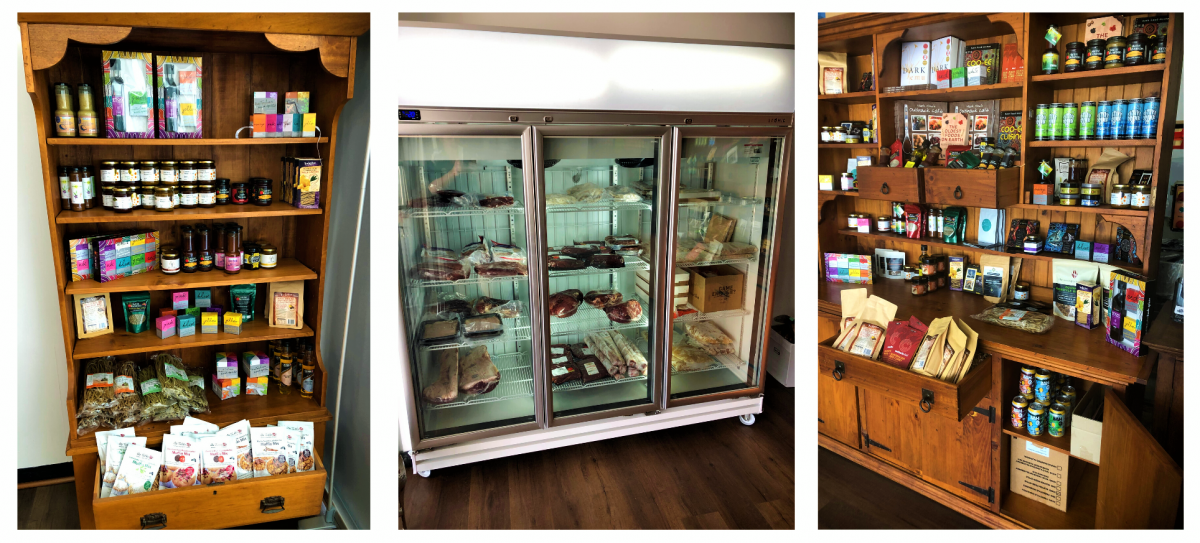
COVID has forced this Indigenous-owned business to move online. Photo: Game Enough?
“Food is hard. It’s a hard business,” Mr McKenzie told The New Daily.
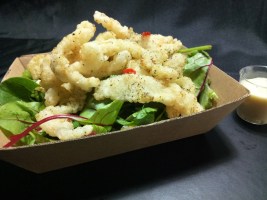
From emu pasties to salt-and-pepper crocodile, native ingredients are on the rise. Photo: Game Enough?
Australia is beginning to embrace native ingredients, he said, thanks in part to home-cooking shows such as MasterChef which has brought ingredients ranging from quandongs and bush tomatoes to Murray cod into living rooms around the nation.
“In five years we saw a massive change in people’s interests,” Mr McKenzie said.
“When we went to a local farmers market for our first event, we took 100 kangaroo pasties and 100 emu pasties and we went home with 90 of them each.
“Later, we’d sell a couple of hundred at most events.”
But consumers are still tentative about using native ingredients, and they can often be hard to find, Mr McKenzie said.
Demand can be inconsistent, making it hard for businesses to survive, he said.
“For ourselves and every other Indigenous-owned food company, the biggest issue we have is that people come looking for us during NAIDOC week,” Mr McKenzie said.
“But the rest of the year is comparatively quiet.”
Sustainable meat, leather the ‘product for our times’
Go back just a decade, and it would be a struggle to find native meats in supermarket fridges, but now kangaroo and wallaby cuts are commonplace.
“Wallaby has been the red meat of choice in Tasmania for 40,000 years. It’s only the last couple of years there’s been a hiccup,” Mr Kelly said.
Like kangaroos, there is no farming of wallaby meat in Australia.
Instead, Kangaroos and wallabies are harvested in the wild by licensed hunters and population sizes are managed in a sustainable way.
In Tasmania, wallabies are so abundant they are culled to help farmers.
Mr Kelly’s company processes 40,000 to 50,000 wallabies each year, and he wants to make Wuggs the last step, he said.
“I worked with cattle and sheep beforehand and basically I came to a line into the sand where I was sick of seeing this land flogged to death with hard-hoofed animals and I wanted to set up an alternative production for livestock,” Mr Kelly said.
“But we want to use the entire animal.
“Wuggs are made from the fur of the wallabies we harvest and manufactured in Melbourne so fully Australian made.”
“And they don’t emit methane, so wallaby leather is carbon-free.
“They’re the product for our times.”
Want to see more stories from The New Daily in your Google search results?
- Click here to set The New Daily as a preferred source.
- Tick the box next to "The New Daily". That's it.


